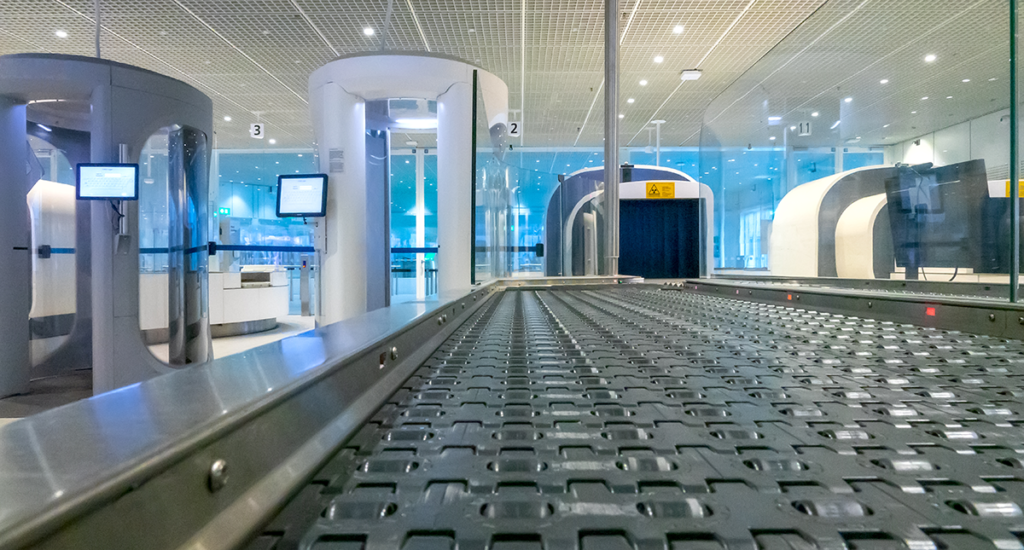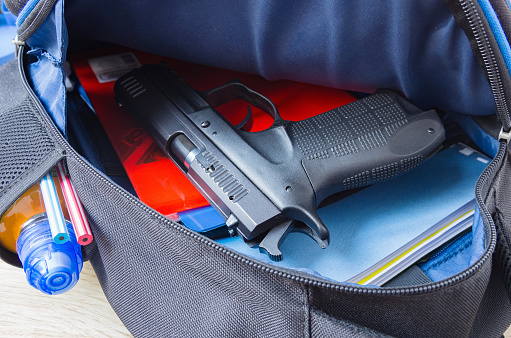
In mid-December 2001, two lists were created: the “No Fly List” of 594 people to be denied air transport, and the “Selectee” list of 365 people who were to be more carefully searched at airports. The No Fly List, which is maintained by the United States federal government’s Terrorist Screening Center (TSC) is one of several lists included in algorithmic rulesets used by government agencies and airlines to decide who to allow to board airline flights
Since the pandemic, the rise in unruly passengers on aircraft and airports has increased. Delta Airlines would like for all airlines to consider sharing an unruly passenger ‘no-fly list. Delta’s stance on sharing the ‘no-fly’ list would assist with not allowing passengers on their aircraft when they’ve been kicked off another carrier.
The FAA says unruly passenger incidents have dropped sharply since early this year but that the rate is still too high. If a passenger has been placed on an air carrier banned passenger list but can be allowed to fly on another carrier, the list does not work in the eyes of airline employees. This year alone, the Federal Aviation Administration (FAA) has received 4,385 reports of unruly passengers, close to three-quarters of them related to travelers who refused to comply with a federal mask mandate on board. Earlier this year, the FAA issued a zero-tolerance policy for these incidents, which the rate has dropped by 50% since the policy was issued.
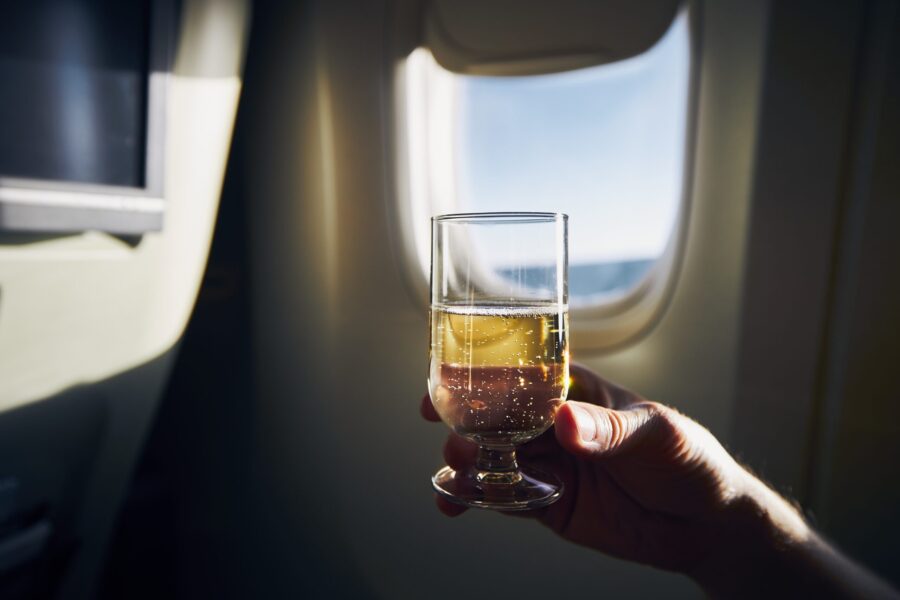
Serving alcohol onboard flights, which American Airlines and Southwest believe drinking could fuel bad behavior. However, some airport establishments give to-go alcohol drinks to passengers traveling on an aircraft, which airline officials believe should not be allowed. We’ve all seen or read about some shocking behavior on planes in the past few months, and I think airlines utilizing a shared ‘no-fly’ list the time has come. I’m not familiar if there would be any legal issues with airlines sharing unruly passenger ‘no-fly’ lists, or if government officials would need to be involved?
Furthermore, the top priority of passenger carriers is the safety of all employees and passengers, and airlines are committed to working with the federal government and industry partners to provide a safe journey for all travelers.